Grow Tomatoes in Pots on a Small Balcony (Complete Beginner’s Guide)
Growing tomatoes in pots on a small balcony is one of the easiest and most rewarding ways to enjoy fresh, homegrown vegetables. Even if you don’t have a backyard or garden, you can successfully grow healthy tomato plants in containers with the right care. Tomatoes are one of the best vegetables for beginners because they grow well in pots and produce delicious fruits throughout the season.
In this complete guide, you’ll learn everything you need to know about growing tomatoes on a balcony, from choosing the right pot and soil to watering, fertilizing, and harvesting.
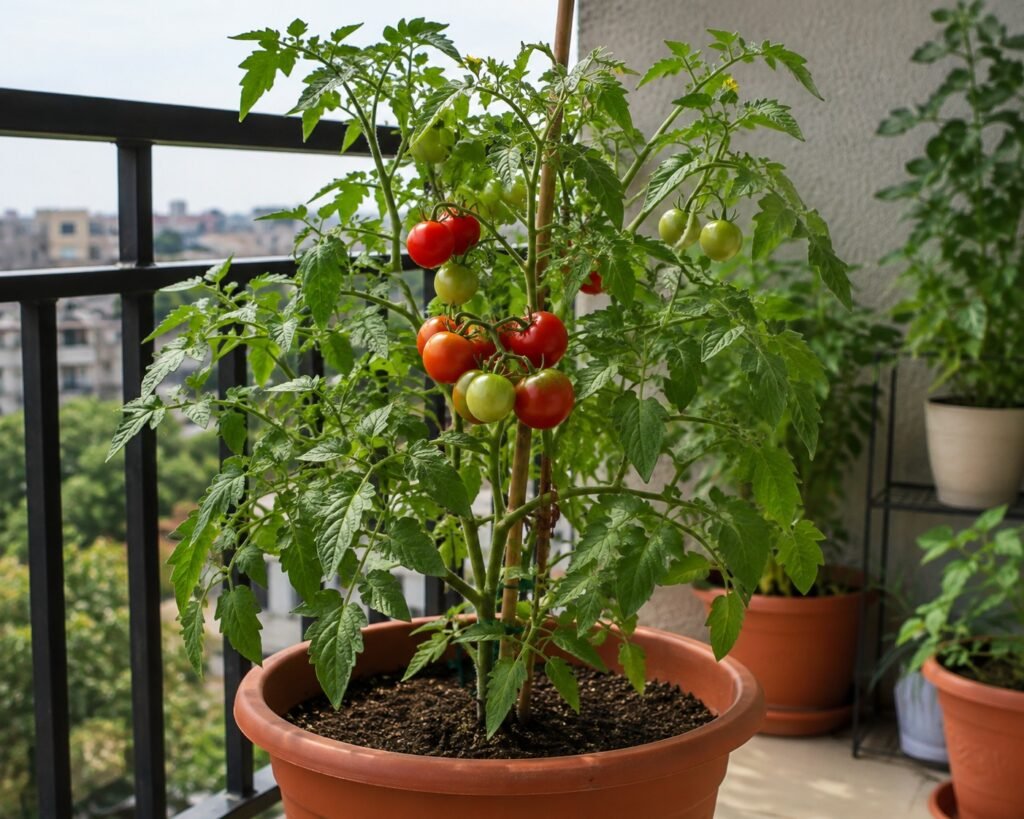
Why Grow Tomatoes in Pots?
There are many benefits to growing tomatoes in containers, especially if you have limited outdoor space.
- Fresh, organic tomatoes whenever you need them
- Saves money on grocery shopping
- Perfect for balconies, patios, and small spaces
- Easy for beginners to grow
- Control over fertilizers and pesticides
- Adds greenery and beauty to your home
With proper care, a single tomato plant can produce dozens of fresh tomatoes during the growing season.
What You’ll Need
Before you start, gather these basic gardening supplies:
- Tomato seeds or healthy seedlings
- A 10–12 inch deep pot with drainage holes
- High-quality potting soil
- Organic compost
- Cocopeat (optional)
- Watering can
- Bamboo stick or tomato cage
- Organic fertilizer
Starting with healthy seedlings is often easier for beginners because they grow faster and require less time than seeds.
Step 1: Choose the Right Container
The size of your pot plays a big role in the health of your tomato plant.
Choose a container that:
- Is at least 10–12 inches deep
- Has several drainage holes
- Is wide enough for root growth
- Is made of plastic, ceramic, or fabric
Larger pots hold more moisture and nutrients, helping plants grow stronger and produce more tomatoes.
Step 2: Prepare the Best Soil Mix
Tomatoes grow best in loose, nutrient-rich soil that drains well.
Use this simple soil mix:
- 40% garden soil
- 30% organic compost
- 20% river sand
- 10% cocopeat (optional)
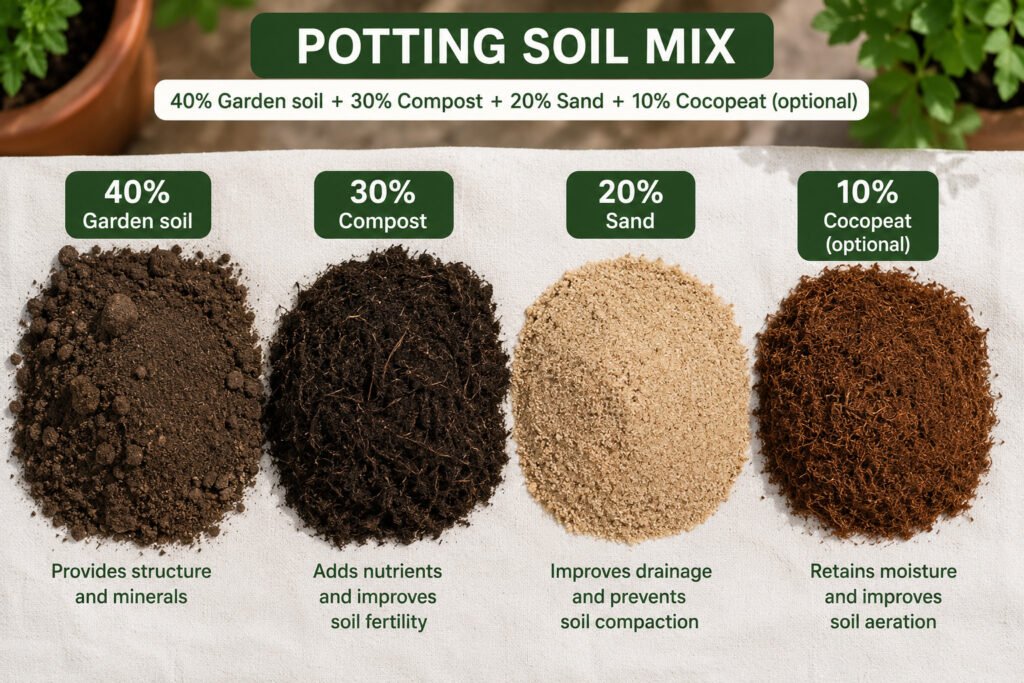
Mix everything thoroughly before filling your container. Avoid heavy clay soil because it can retain too much water and damage the roots.
Step 3: Plant the Seeds or Seedlings
If using seeds:
- Sow them about ½ inch deep.
- Cover lightly with soil.
- Water gently.
If using seedlings:
- Dig a small hole.
- Place the seedling carefully.
- Cover the roots with soil.
- Water immediately after planting.
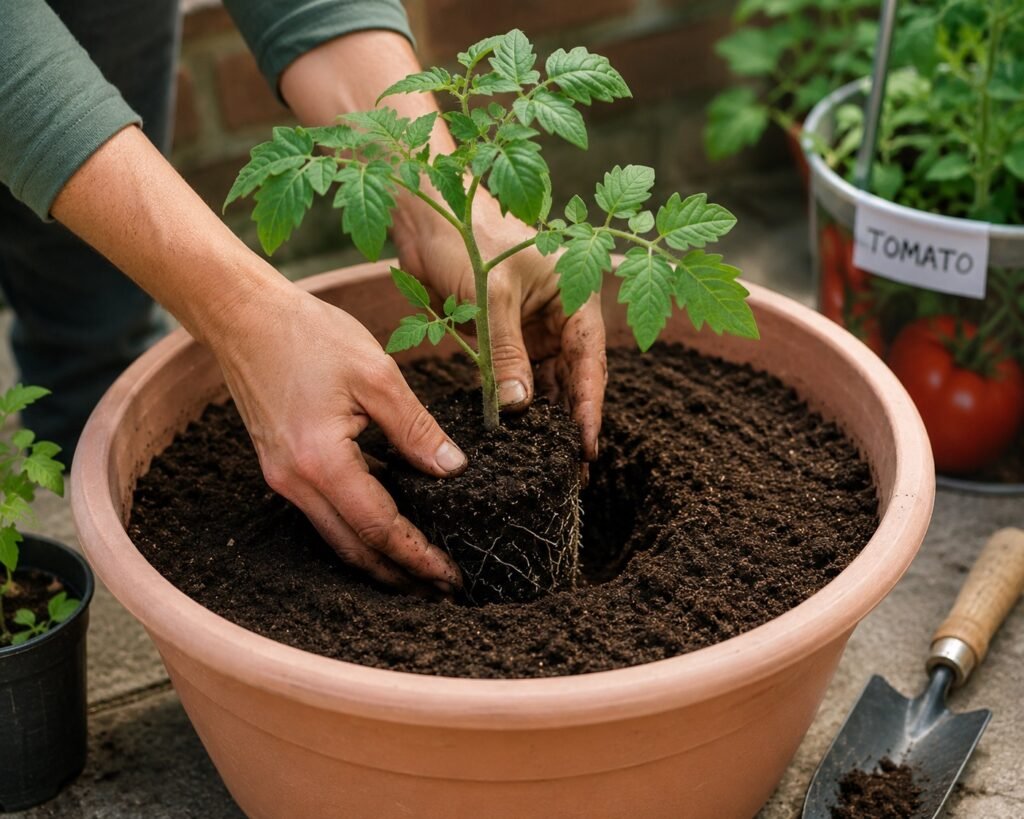
Keep the soil moist until the plant becomes established.
Step 4: Give Your Tomato Plant Enough Sunlight
Tomatoes need plenty of sunlight to grow healthy and produce sweet fruits.
Aim for:
- 6–8 hours of direct sunlight daily
- Morning sunlight is ideal
- Good air circulation around the plant
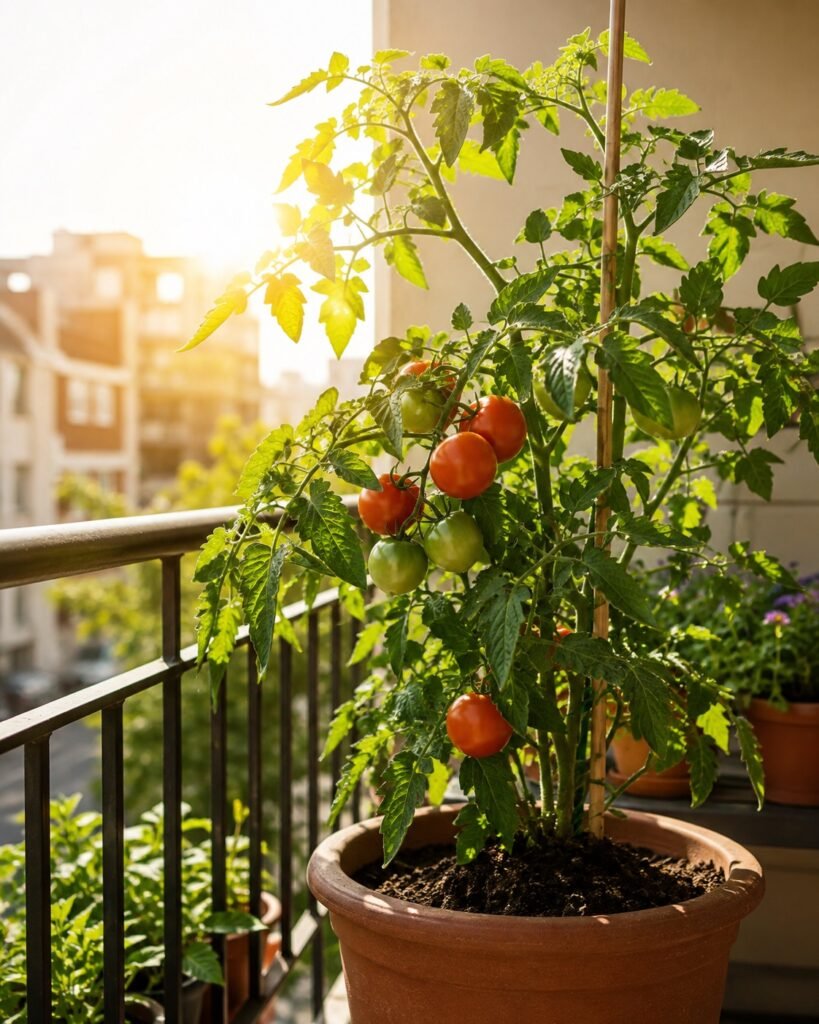
If your balcony receives less sunlight, choose cherry tomato varieties because they perform better in smaller spaces and lower light conditions.
Step 5: Water Properly
Watering is one of the most important parts of tomato care.
General watering schedule:
Summer: Water once every day or whenever the top inch of soil feels dry.
Winter: Water every 2–3 days.
Avoid overwatering because soggy soil can cause root rot and yellow leaves. Water slowly at the base of the plant instead of wetting the leaves.
Step 6: Support the Plant
As tomato plants grow taller, they need support to prevent stems from breaking.
You can use:
- A wooden stake
- Bamboo stick
- Tomato cage
Tie the stem loosely using soft garden ties or cloth strips to keep the plant upright.
Step 7: Feed Your Tomato Plant
Tomatoes are heavy feeders and need regular nutrients.
Feed every two weeks using organic fertilizers such as:
- Compost
- Banana peel fertilizer
- Eggshell powder
- Vermicompost
- Neem cake
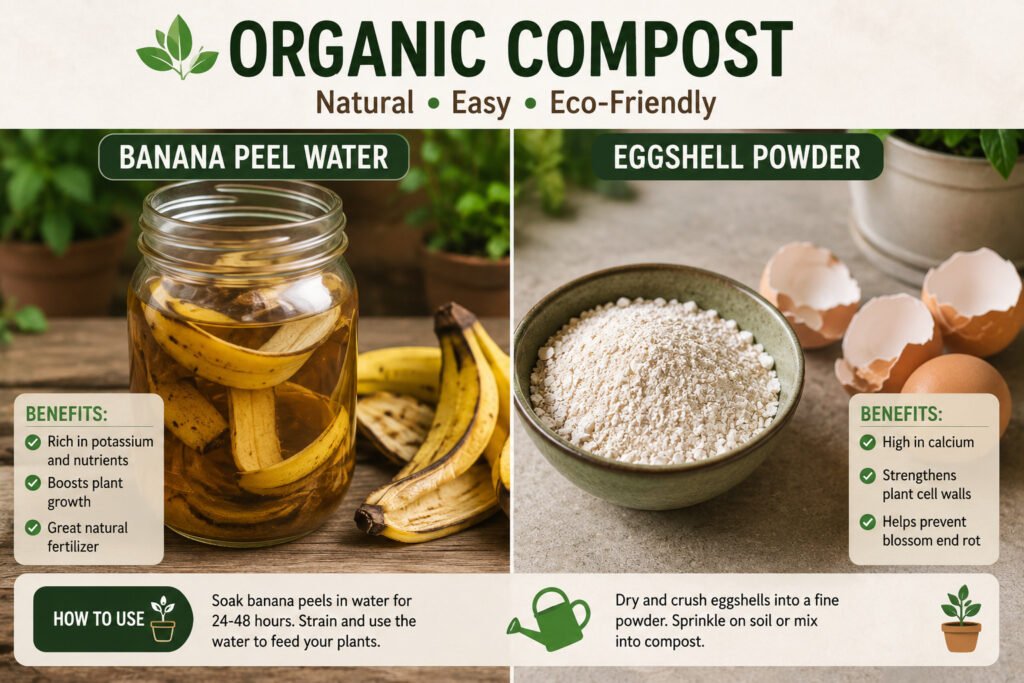
These natural fertilizers improve fruit production while keeping your garden chemical-free.
Common Problems and Easy Solutions
| Problem | Cause | Solution |
| Yellow leaves | Too much water | Reduce watering |
| No flowers | Lack of sunlight | Move to a sunnier location |
| Small tomatoes | Nutrient deficiency | Add compost |
| Leaf curl | Heat stress | Water consistently |
| Aphids and insects | Common garden pests | Spray neem oil or neem water |
Checking your plant regularly helps you catch problems early before they become serious.
When to Harvest Tomatoes
Most tomato varieties are ready to harvest within 60 to 80 days after planting.
Pick tomatoes when they are:
- Bright red (or the expected color of the variety)
- Firm but slightly soft
- Medium to full size
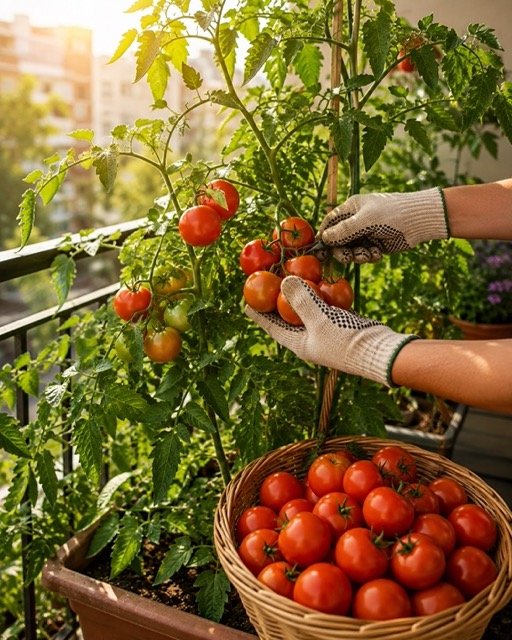
Twist the fruit gently or use garden scissors instead of pulling it from the plant.
Extra Tips for Bigger Tomato Harvests
Follow these expert tips for healthier plants:
- Rotate the pot every few days so all sides receive sunlight.
- Remove yellow or damaged leaves.
- Avoid letting water collect in the saucer.
- Add fresh compost every month.
- Keep weeds away from the container.
- Harvest ripe tomatoes regularly to encourage new fruit production.
Small improvements in plant care can significantly increase your harvest.
Final Thoughts
Growing tomatoes in pots on a small balcony is an enjoyable and rewarding hobby that anyone can start. With the right container, nutrient-rich soil, regular watering, and plenty of sunlight, you can harvest delicious, fresh tomatoes right outside your door.
Whether you’re a beginner or an experienced gardener, container gardening is a simple way to grow your own healthy food. Start today, care for your plants consistently, and enjoy fresh homegrown tomatoes throughout the season.
Happy Gardening! explore more.
Frequently Asked Questions
Common questions about growing tomatoes in pots on a small balcony.
Use a pot that holds at least 5-7 gallons (about 19-26 liters) for standard tomato varieties. Bigger is almost always better — a larger pot holds moisture longer and gives roots room to grow, which means healthier plants and a bigger harvest.
Tomatoes need at least 6-8 hours of direct sunlight a day. Choose the sunniest spot on your balcony, and if your space gets less light, look for varieties bred for partial sun or supplement with a grow light.
Compact and dwarf varieties like Patio, Tiny Tim, Bush Early Girl, and cherry types such as Tumbling Tom do best in containers. They’re bred to stay small while still producing plenty of fruit.
Container soil dries out faster than garden soil, so check daily in warm weather — you’ll likely water once a day, sometimes twice during heat waves. Water deeply until it drains from the bottom, rather than giving frequent light sips.
Use a high-quality potting mix, not garden soil, which compacts and drains poorly in pots. A blend with compost and perlite or vermiculite gives the loose, nutrient-rich, well-draining base tomatoes need.
Yes — potted plants use up nutrients quickly since they can’t draw from surrounding soil. Feed with a balanced or tomato-specific fertilizer every 2-3 weeks once flowering begins, following the package instructions.
Most varieties benefit from support as they grow, even compact ones. A small tomato cage, stake, or trellis keeps the plant upright, improves airflow, and makes it easier to harvest without damaging branches.
Group pots together for stability, use a windbreak like a railing or trellis panel, and move plants to partial shade during extreme heat waves. Mulching the topsoil also helps retain moisture and buffers roots from temperature swings.